Back to overview Translate NL
Contextprogram / Both in English and Dutch

25-03 t/m 27-03

Ruth Benschop

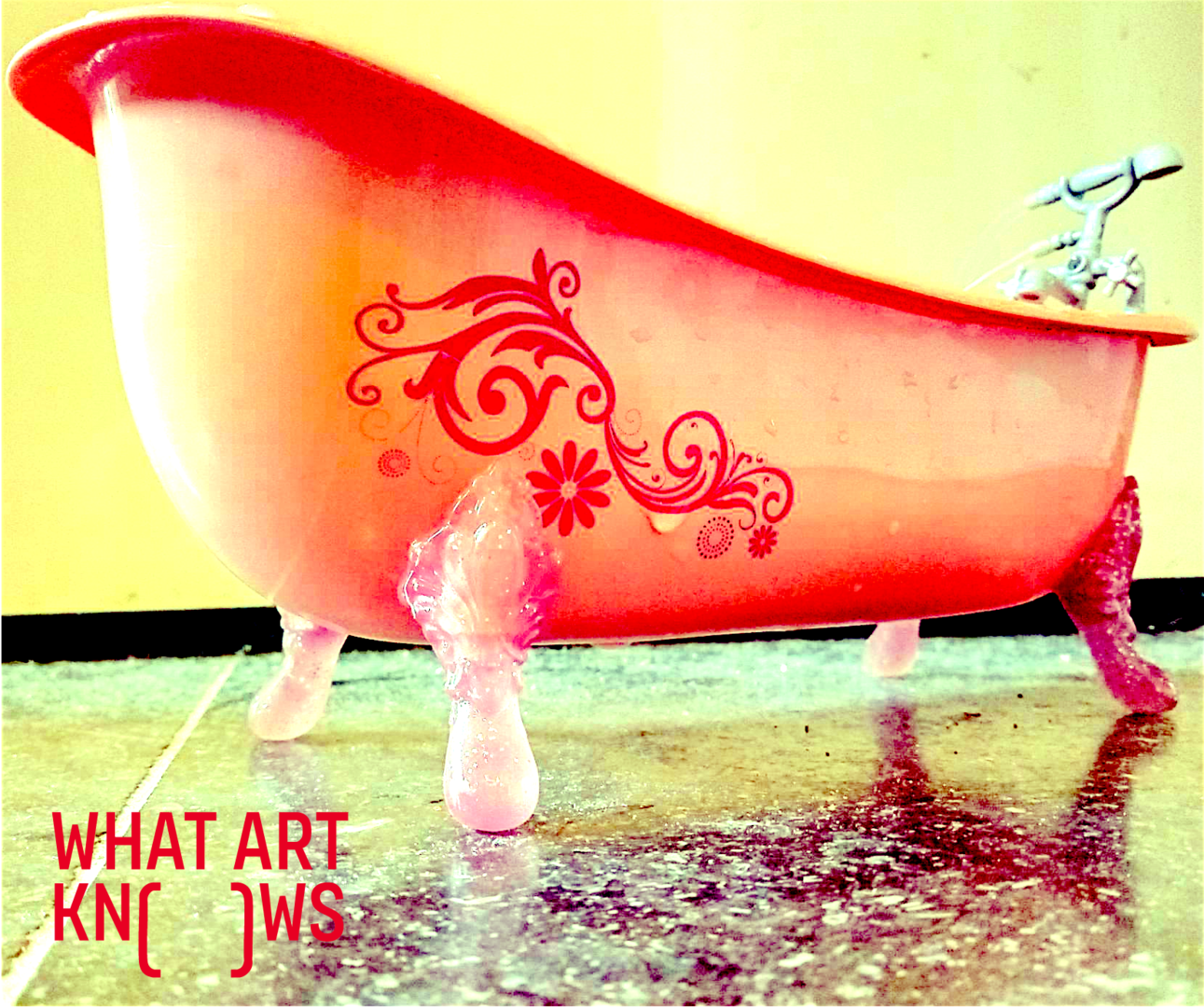
Consultatiebureau De Badkuip

One-on-one reflection on programme making with researcher Ruth Benschop. Are you a programmer, festival organiser, curator or do you have a similar role? Then this is your chance to have an individual conversation about what it means to be a gatekeeper, creating legitimacy, resistance and the burning question: how do you do it right?

The second edition of Consultatiebureau De Badkuip is open from 25 to 27 March at Festival Cement. Be quick, because space is limited. Ruth Benschop (from the What Art Knows research group) will talk to you based on what she learned last time.

A consultation is free of charge and the conversation is for you. It fits in with the research tradition of the What Art Knows research group, in which we conduct research into and about generosity. In preparation for your consultation, we ask you to consider how you learned your profession and which formative experiences or inspiring examples taught you something. 

Ruth was invited to a previous edition of the Cement Festival as a viewing guest. During that festival, she studied how things happened naturally there. She became curious about the practice of programming and spoke to programmers last year to draw attention to what goes without saying. To find language together with programme makers to talk about their fall.

You can read more about the origins of Consultatiebureau De Badkuip and Ruth's analysis of her experiences as an observer in Cementgebaren, an interview between Ruth and Mina Etemad.

Consultatiebureau De Badkuip is a co-production of the What Art Knows research group (Zuyd University of Applied Sciences) and Festival Cement, created by Ruth Benschop and Leonie Clement. This consultation bureau is part of a longer process in which Festival Cement and the What Art Knows research group, together with you, curators, festival organisers, and programmers, reflect on and thus contribute to the art of programme making.
Back to overview Translate NL
Contextprogram / Both in English and Dutch

25-03 t/m 27-03

Ruth Benschop

Consultatiebureau De Badkuip

One-on-one reflection on programme making with researcher Ruth Benschop. Are you a programmer, festival organiser, curator or do you have a similar role? Then this is your chance to have an individual conversation about what it means to be a gatekeeper, creating legitimacy, resistance and the burning question: how do you do it right?

The second edition of Consultatiebureau De Badkuip is open from 25 to 27 March at Festival Cement. Be quick, because space is limited. Ruth Benschop (from the What Art Knows research group) will talk to you based on what she learned last time.

A consultation is free of charge and the conversation is for you. It fits in with the research tradition of the What Art Knows research group, in which we conduct research into and about generosity. In preparation for your consultation, we ask you to consider how you learned your profession and which formative experiences or inspiring examples taught you something. 

Ruth was invited to a previous edition of the Cement Festival as a viewing guest. During that festival, she studied how things happened naturally there. She became curious about the practice of programming and spoke to programmers last year to draw attention to what goes without saying. To find language together with programme makers to talk about their fall.

You can read more about the origins of Consultatiebureau De Badkuip and Ruth's analysis of her experiences as an observer in Cementgebaren, an interview between Ruth and Mina Etemad.

Consultatiebureau De Badkuip is a co-production of the What Art Knows research group (Zuyd University of Applied Sciences) and Festival Cement, created by Ruth Benschop and Leonie Clement. This consultation bureau is part of a longer process in which Festival Cement and the What Art Knows research group, together with you, curators, festival organisers, and programmers, reflect on and thus contribute to the art of programme making.